📋 In this article
For most healthy adults, hydrogen water appears to be safe: it’s drinking water with a small amount of dissolved hydrogen gas, and a 2024 systematic review concluded that it is mostly considered safe, with no to minimal side effects. The cautions worth knowing come from how it’s made and how much you drink — magnesium from tablets, a very high pH, byproducts from poorly made electric bottles, or simply too much water. If you’re pregnant, have kidney disease or take regular medicines, ask your doctor first.
Below: what’s actually in the glass, what the FDA’s 2014 letter does and doesn’t mean, where side effects come from, and how we check our own products.
What’s actually in the glass
Hydrogen water is ordinary drinking water with molecular hydrogen (H₂) dissolved in it, much the way sparkling water holds carbon dioxide. There isn’t much of it: at room temperature and normal pressure, water holds about 1.6 mg of hydrogen per liter at most, and real products hold some fraction of that. The U.S. Department of Energy describes hydrogen as non-toxic.
So the gas itself is rarely the issue. What deserves a closer look is what comes with it, depending on the method: magnesium from tablets, a higher pH, whatever a device’s parts might release into the water — and the water itself, if you overdo it.
What the FDA’s 2014 GRAS letter means — and doesn’t
In 2014, a beverage company notified the FDA that it had concluded hydrogen gas is generally recognized as safe (GRAS) as an ingredient in drinking water, flavored beverages and soda drinks, at up to 2.14% by volume. On November 28, 2014, the FDA closed the notice, GRN No. 520, with the response “FDA has no questions.”
What that means: the FDA evaluated the basis for the company’s conclusion about that use and didn’t question it. The GRAS notification program is voluntary, and a safety determination is always limited to the substance’s intended conditions of use.
What it doesn’t mean:
- It isn’t an approval of a product. It concerns hydrogen gas as a beverage ingredient, not a particular bottle, tablet, disc or brand.
- It isn’t a verdict on health claims. GRAS is about safety as a food ingredient, not about benefits.
- It doesn’t cover what a method adds. Magnesium from tablets, a very high pH or metals from worn electrodes are separate questions — the ones the rest of this article is about.
What human studies show so far
Research on benefits is young, but the safety picture has been fairly consistent. A 2024 systematic review in the International Journal of Molecular Sciences included 25 articles and concluded that hydrogen-rich water “is mostly considered safe, with no to minimal side effects.” The authors also called for larger, more rigorous studies before firm conclusions about benefits.
There’s a reason to expect this. Prof. Shigeo Ohta, whose lab first showed that hydrogen reacts with strong oxidants such as the hydroxyl radical in cells, pointed out that H₂ is mild enough not to disturb the body’s normal redox reactions or its signaling molecules — so “there should be no or little adverse effects.”
Two honest limits: most human studies have been small, and “mostly considered safe” describes the evidence so far. It isn’t a promise that nothing can go wrong for anyone.
Side effects usually come from the method
The hydrogen is the gentle part. The risks worth knowing sit in how the water is made.
Tablets: the magnesium adds up
Most hydrogen tablets combine magnesium with a food acid, and after the fizz, the magnesium stays in your drink. In one published formulation, each tablet contained 75 mg of magnesium. For adults, the Institute of Medicine set the upper limit for magnesium from supplements at 350 mg a day; the first sign of going over is diarrhea, sometimes with nausea and cramps. MedlinePlus notes that side effects from high magnesium intake are uncommon except in people with significantly reduced kidney function, and that excess usually comes from supplements or magnesium laxatives. If you use tablets, count them together with any magnesium supplement you take.
Very high pH
Magnesium reactions and many water ionizers raise the pH, and past a point that matters. Mayo Clinic notes that alkaline water has been linked to safety concerns, especially above pH 9.8, including high levels of potassium in the blood, which is especially risky for people with kidney disease. A 2022 review of electrolyzed water adds that regulations cap such water at pH 9.8, and it recommends that people with impaired kidney function not use it without medical supervision.
For perspective, the EPA’s range for tap water, pH 6.5–8.5, isn’t a health limit. It’s a non-enforceable guideline about taste and plumbing: above it, water can taste like soda and feel slippery.
Electric bottles: what the electrodes leave behind
Electrolysis can put more than hydrogen into the water. The same 2022 review notes that some animal studies of high-pH electrolyzed water found tissue damage, possibly from electrode wear releasing platinum particles and other metals, and that even neutral-pH devices can’t fully rule out metal contamination. Byproducts vary by design, too: in a 2021 lab study, one bottle kept chlorine and ozone within drinking water standards, while three others raised chlorine levels the longer they ran, though still within the World Health Organization guideline.
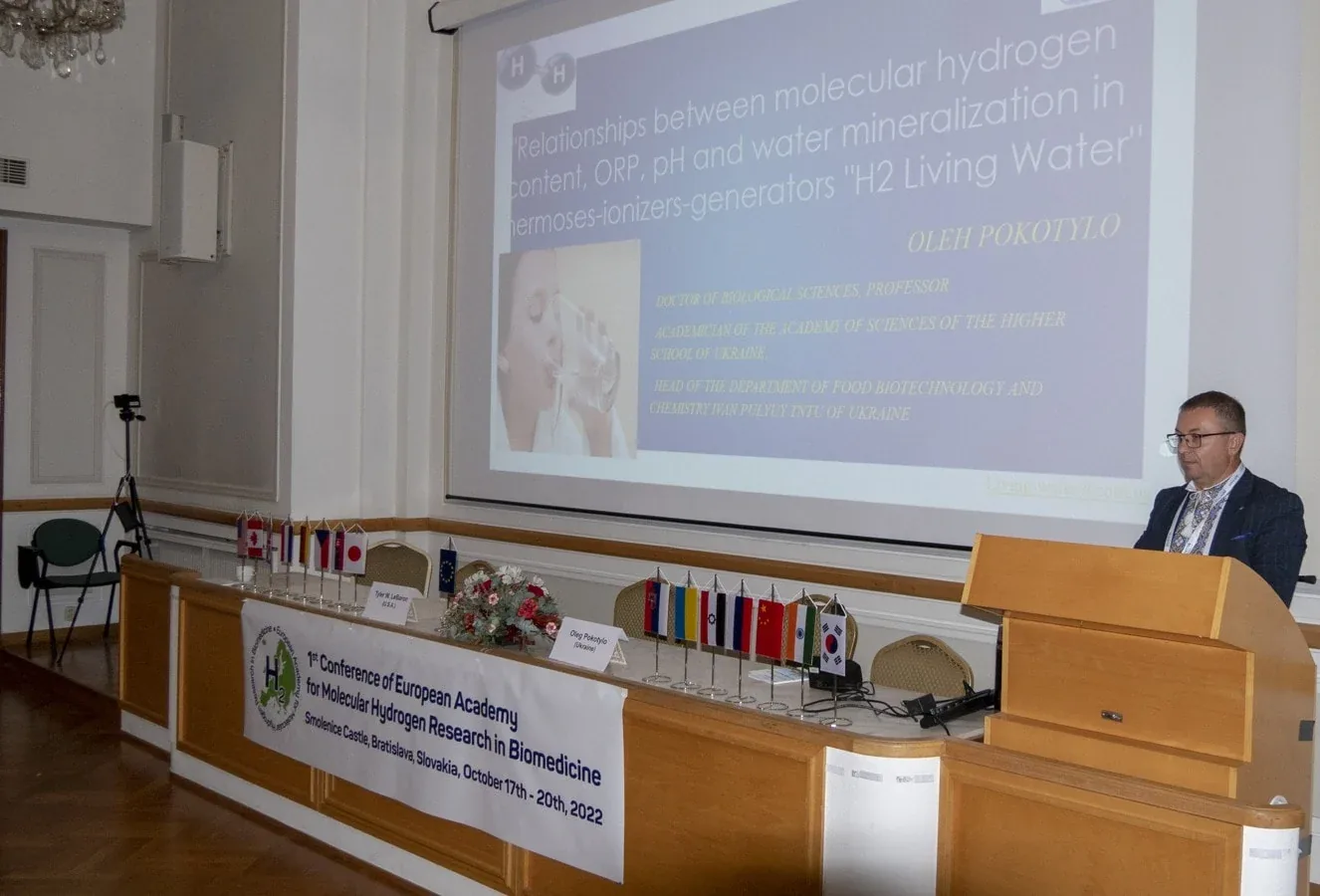
Prof. Oleh Pokotylo makes a related point in 5 Fundamental Postulations of Drinking Water: electrolysis forms other gases besides hydrogen, often harmful ones, which is why makers of electric generators add membranes or extra filtration. Non-electrolytic methods avoid these electrode concerns altogether, the 2022 review notes.
The container matters too
Anything that sits in your water for hours — a disc, a stick, a filter or the bottle itself — should be made of materials intended for drinking water, such as food-grade stainless steel or glass. It’s fair to ask a maker what has been tested, and how.
Can you drink too much hydrogen water?
The limit that matters is the water, not the hydrogen. Drinking far more water than your kidneys can clear can dilute the sodium in your blood, a condition called hyponatremia. Mayo Clinic notes that people who drink too much water during marathons, triathlons and other long, intense events are at higher risk, and that thirst and the color of your urine are usually the best guides to how much you need.
So count hydrogen water as part of your daily water, not as extra on top of it. With tablets, the magnesium limit comes long before the water limit. For daily amounts, see How much water should you drink a day?
Who should check with a doctor first
Hydrogen water is still water, but ask your doctor before you start if any of these apply:

- You’re pregnant or breastfeeding. There’s little research on hydrogen water in pregnancy, so get your doctor’s okay first and mention any magnesium tablets or supplements.
- You’re choosing for a child. Ask your pediatrician first, especially about tablets or high-pH water.
- You have kidney disease. Mayo Clinic, MedlinePlus and the 2022 review all single it out, both for high-pH water and for extra magnesium.
- You have heart or liver disease, or you’ve been told to limit fluids. These conditions can make it harder for the body to handle extra water, Mayo Clinic notes.
- You take regular medicines, as many older adults do. Magnesium products can affect how some medicines are absorbed; MedlinePlus advises taking other medicines at least 2 hours before or after magnesium hydroxide. And diuretics, antidepressants and pain medicines can affect sodium levels, according to Mayo Clinic.
Can hydrogen water catch fire?
Not in everyday use. According to PubChem, hydrogen gas burns only when it makes up between 4% and 75% of the air. In hydrogen water, the gas is dissolved — about 1.6 mg per liter at most — and what escapes when you open a bottle is much lighter than air and disperses quickly, the Department of Energy notes. The magnesium reaction itself is gentle: unlike sodium or potassium metal, which react with water explosively, magnesium carries no risk of explosion, according to the Molecular Hydrogen Institute.
How we check our discs and pitcher
We hold our own products to the same questions:
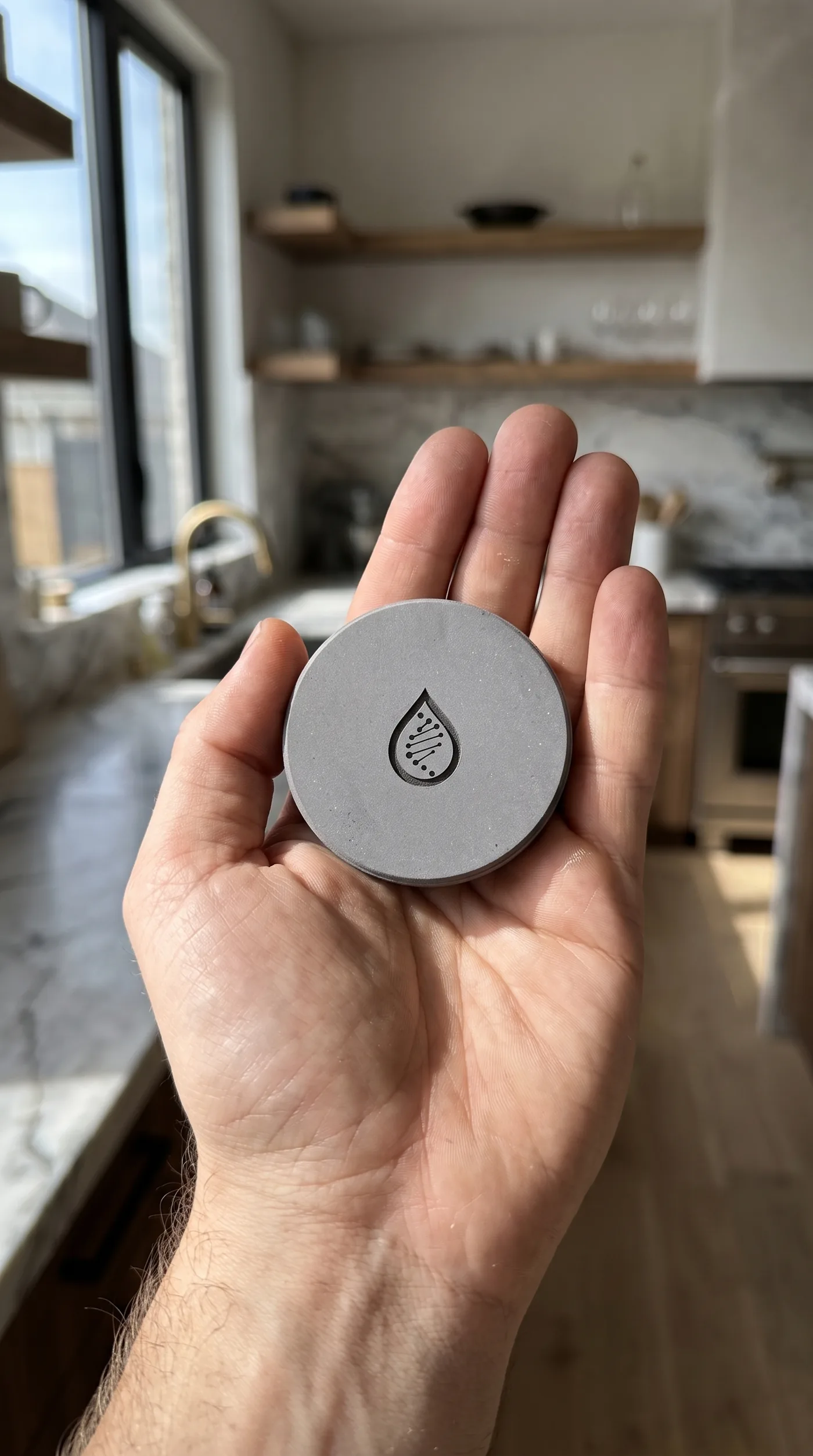
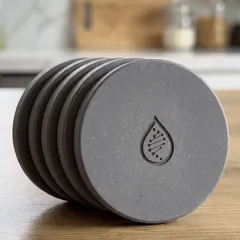
- Disc material. An independent laboratory tested the mineral material of our Living Aqua Hydrogen Water Discs against a hygiene standard for materials in contact with drinking water: lead, cadmium, mercury, arsenic, chromium-6, copper, zinc and aluminum all stayed within its limits.
- What a disc adds. In lab tests, total dissolved solids rose from 4.9 to 7.6 ppm — a few milligrams of minerals per liter, a small fraction of what a single magnesium tablet brings.
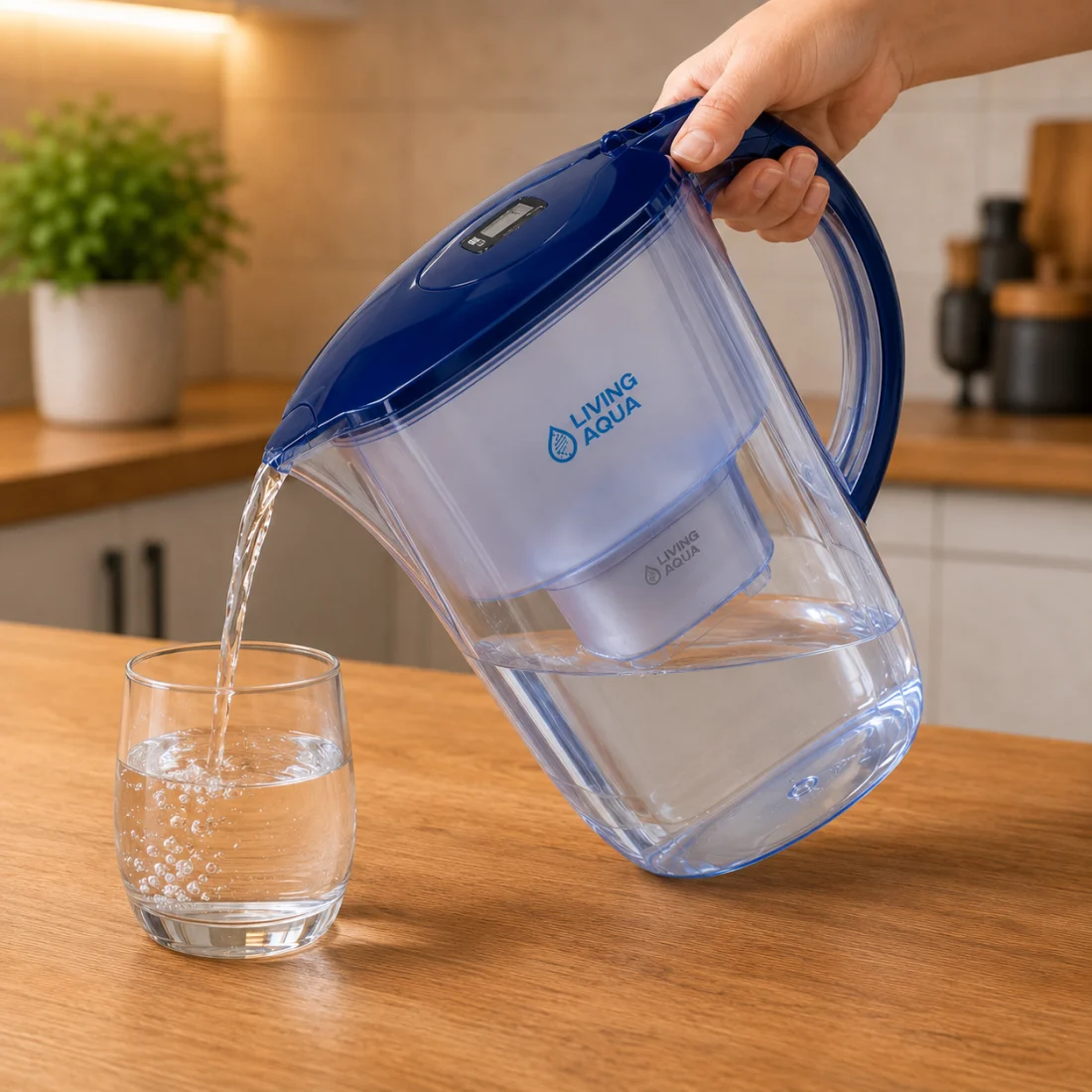
- pH. The discs typically give pH 7.5–9.0, with lab peaks of 9.4. The Living Aqua Hydrogen-Rich Alkaline Water Pitcher typically reads pH 9.0, within a 7.5–9.5 range. Both stay below 9.8.
- No electrodes, no tablets. Both work through the magnesium reaction, so there’s no electrode to wear and no tablet to count.
And a few safe-use basics:
- Use a disc only in still drinking water up to 122 °F (50 °C) — not in tea, coffee, juice, milk or sparkling water.
- A disc isn’t a filter, so start with water that’s already safe to drink. If you drink tap water, the pitcher filters it through four stages in about 2 minutes.
- Before using a new pitcher filter, soak it for 3–5 minutes, pour that water out, set it in place and pour out the first batch. Replace it every 6–8 weeks or after 300–350 L (79–92 gal).
- Drink it fresh, and let thirst guide how much.
Frequently asked questions
Does hydrogen water have side effects?
Is it safe to drink hydrogen water every day?
Can children drink hydrogen water?
Is hydrogen water safe during pregnancy?
Can hydrogen water interact with medications?
Is the hydrogen in a closed bottle dangerous?
Key takeaways
- Hydrogen is non-toxic, and a 2024 review found hydrogen water mostly considered safe, with no to minimal side effects.
- The FDA’s 2014 “no questions” letter covers hydrogen gas as a beverage ingredient — not any product, method or health claim.
- Watch the method: magnesium from tablets (350 mg a day is the adult upper limit from supplements), a pH above 9.8 and electrolysis byproducts.
- Count hydrogen water as part of your daily water; the real limit is too much water, not too much hydrogen.
- Pregnant or breastfeeding, choosing for a child, living with kidney, heart or liver disease, or taking regular medicines? Ask your doctor first.
If you’d like a method with no tablets, no electrodes and readings below pH 9.8, start with our hydrogen water discs for water you already trust, or the hydrogen-rich alkaline pitcher for tap water. Comparing every option? Read Hydrogen water tablets, bottles, discs or a pitcher: how to choose.
This article is for general information only and isn’t medical advice. If you have a health condition, ask your doctor how much and what kind of water is right for you.
Sources
- Dhillon G, Buddhavarapu V, Grewal H, et al. “Hydrogen water: extra healthy or a hoax? — a systematic review.” International Journal of Molecular Sciences, 2024;25(2):973. PubMed 38256045
- U.S. Food and Drug Administration. GRAS Notice No. 520: Hydrogen gas. Closed November 28, 2014 (“FDA has no questions”). fda.gov
- U.S. Food and Drug Administration. “How U.S. FDA’s GRAS Notification Program Works.” fda.gov
- Ohta S. “Molecular hydrogen as a preventive and therapeutic medical gas: initiation, development and potential of hydrogen medicine.” Pharmacology & Therapeutics, 2014;144(1):1–11. PubMed 24769081
- LeBaron TW, Sharpe R, Ohno K. “Electrolyzed-reduced water: review II. Safety concerns and effectiveness as a source of hydrogen water.” International Journal of Molecular Sciences, 2022;23(23):14508. PubMed 36498838
- Hatae T, Miwa N. “Electrolytic hydrogen-generating bottle supplies drinking water with free/combined chlorine and ozone repressed within safety standard under hydrogen-rich conditions.” Medical Gas Research, 2021;11(2):61–65. PubMed 33818445
- Rosch M, Lucas K, Al-Gousous J, Pöschl U, Langguth P. “Formulation and characterization of an effervescent hydrogen-generating tablet.” Pharmaceuticals, 2021;14(12):1327. PubMed 34959728
- Institute of Medicine. Dietary Reference Intakes for Calcium, Phosphorus, Magnesium, Vitamin D, and Fluoride, chapter 6: “Magnesium.” Washington, DC: National Academies Press; 1997. nationalacademies.org
- MedlinePlus. “Magnesium in diet.” U.S. National Library of Medicine. medlineplus.gov
- MedlinePlus. “Magnesium hydroxide.” U.S. National Library of Medicine. medlineplus.gov
- Mayo Clinic Staff. “Alkaline water: Better than plain water?” Mayo Clinic. mayoclinic.org
- U.S. Environmental Protection Agency. “Secondary Drinking Water Standards: Guidance for Nuisance Chemicals.” epa.gov
- Mayo Clinic Staff. “Hyponatremia: Symptoms and causes.” Mayo Clinic. mayoclinic.org
- National Center for Biotechnology Information. Hydrogen (CID 783): solubility and flammable limits. PubChem. pubchem.ncbi.nlm.nih.gov
- U.S. Department of Energy. “Safe Use of Hydrogen.” energy.gov
- Molecular Hydrogen Institute. “How to get molecular hydrogen.” 2013, updated 2026. molecularhydrogeninstitute.org
- Pokotylo O. 5 Fundamental Postulations of Drinking Water. Ternopil; 2021.
A Ukrainian manufacturer of hydrogen water devices.
Found your routine? We’ve got the device
Pitchers, discs and insulated bottles of our own making — no electricity needed, backed by lab test reports.
Read next