📋 In this article
Who needs to drink water? Everyone. But for some people, getting enough takes more deliberate effort: they lose more water through exercise, heat or illness; they need extra during pregnancy and breastfeeding; or they can’t rely on thirst, like young children and older adults. Some everyday habits crowd water out, too. And a few people need to be careful about drinking more, not less.
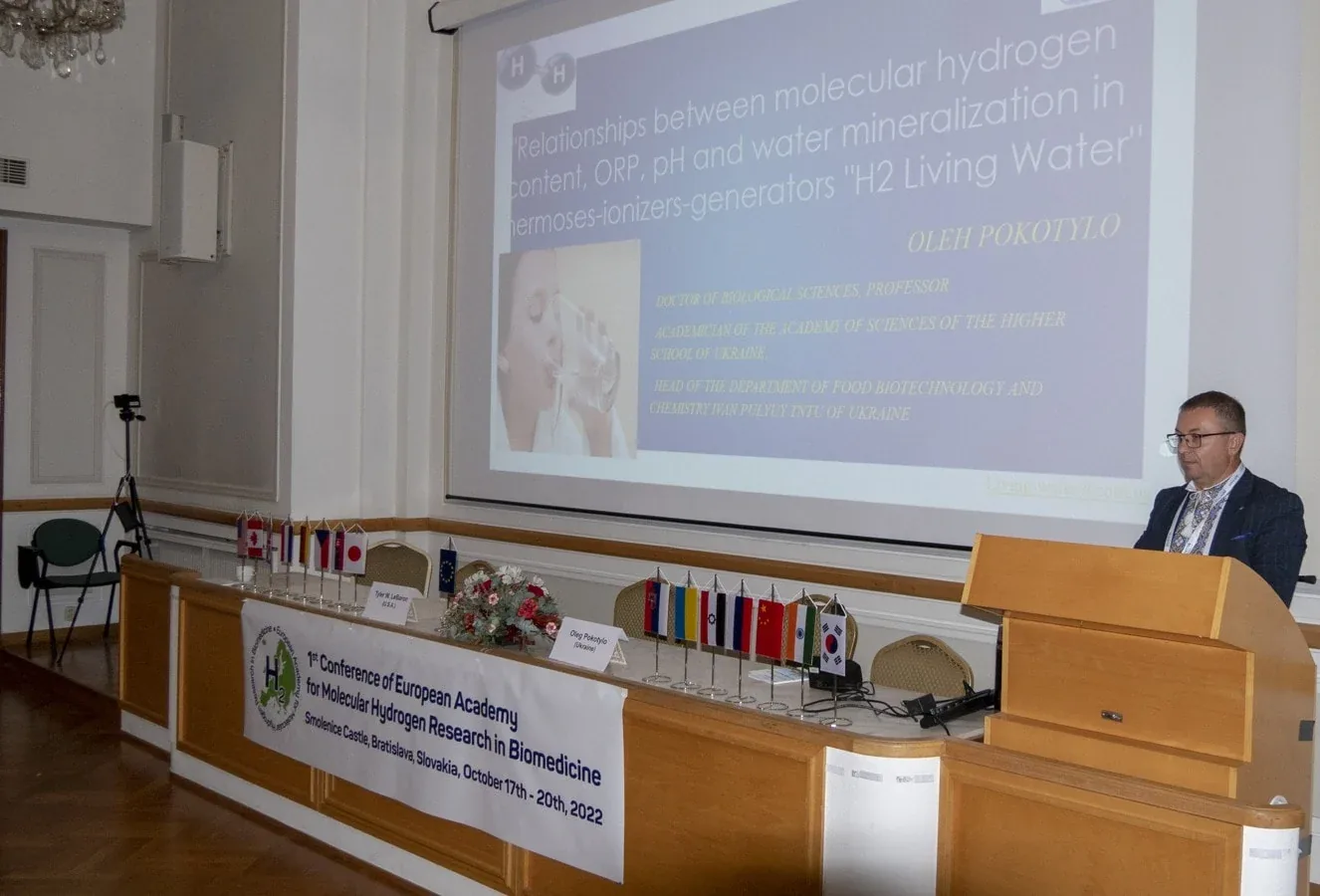
This is the second article in our series “Five rules of drinking water,” based on the book 5 Fundamental Postulations of Drinking Water by Prof. Oleh Pokotylo — Professor, Academician, Doctor of Biological Sciences (Ternopil, 2021). Below: eight groups, what US health authorities recommend for each, and how to make it easy.
When you lose more water: exercise, heat and sick days
The CDC names four times your body needs more water: in hot climates, when you’re more physically active, when you have a fever and when you have diarrhea or vomiting.
1. Active people and athletes
Muscle is about 80% water, Prof. Pokotylo notes, and a hard training session can cost anywhere from 34 to 135 fl oz (1–4 L) of sweat. The American College of Sports Medicine suggests keeping losses under 2% of body weight and weighing yourself before and after a workout to learn your sweat rate. Prof. Pokotylo’s routine: drink well, but no later than 30 minutes before you start; take a few sips about every 15 minutes during the session; and replace the rest afterward. On hot days, the CDC adds, drink more than usual and don’t wait until you’re thirsty.
Athletes are also among the most studied groups in hydrogen water research: in a small pilot study of 10 male soccer players, blood lactate rose during heavy exercise after placebo water but not after hydrogen-rich water (Aoki et al., 2012). The research is still early; more in Hydrogen water and sports.
2. Anyone in the heat, doing hard physical work or at high altitude
On a hot day you can sweat a lot without noticing. NIOSH calls drinking enough fluids one of the most important things you can do when working in the heat. Its advice: about 1 cup (8 fl oz) every 15–20 minutes, because small, frequent drinks work better than a lot at once — but no more than 48 fl oz (1.5 quarts) an hour. Very active people who spend their days in hot weather often need 200 fl oz (6 L) or more of total water a day, the National Academies note. High altitude can also increase dehydration (Mayo Clinic).
3. Anyone who’s sick: fever, vomiting or diarrhea
With a fever, you lose extra water through your skin; Prof. Pokotylo estimates you need about 3–10 fl oz (100–300 mL) more a day for every 1.8 °F (1 °C) of fever. With vomiting or diarrhea, you lose minerals as well as water. The CDC advises drinking plenty of liquids and notes that over-the-counter oral rehydration solutions are most helpful for mild dehydration, while sports drinks may not replace the minerals you’ve lost. Watch children closely: a dehydrated child may cry with few or no tears and be unusually sleepy or fussy. If someone seems severely dehydrated, call your doctor.
Life stages that change your needs
4. Pregnant and breastfeeding women
Water aids digestion, helps form the amniotic fluid around the baby and helps nutrients circulate, ACOG explains, recommending 8–12 cups (64–96 fl oz) of water a day during pregnancy. The National Academies set total water at about 101 fl oz (3.0 L) a day in pregnancy, including about 10 cups from drinks, and 128 fl oz (3.8 L) while breastfeeding, including about 13 cups. Prof. Pokotylo gives the same ballpark: at least 10 glasses of fluid a day in both cases.

The FDA recommends asking your health care provider whether you need to limit caffeine while pregnant or breastfeeding. And check with your doctor before adding anything new to your routine, hydrogen water included.
5. Children and teens
Babies and kids carry a larger share of water in their bodies than adults (USGS), and busy kids easily forget to drink. In a study of 58 sixth-graders in a desert town, more than half arrived at school already dehydrated, and the well-hydrated children tended to score better on tests by midday (Bar-David et al., 2005). In another, children aged 7–9 who were given extra water did better on attention tasks (Edmonds & Burford, 2009). Prof. Pokotylo’s advice: a water bottle always at hand, a few sips — about 2–3 fl oz (50–100 mL) — every hour or at breaks during school, and a glass before sports.

How much? The National Academies’ daily adequate intakes:
| Age | Total water a day | From drinks |
|---|---|---|
| 1–3 years | 44 fl oz (1.3 L) | about 4 cups |
| 4–8 years | 57 fl oz (1.7 L) | about 5 cups |
| 9–13 years | 71–81 fl oz (2.1–2.4 L) | about 7–8 cups |
| 14–18 years | 78–112 fl oz (2.3–3.3 L) | about 8–11 cups |
From age 9, the lower figure is for girls and the higher for boys. Babies are different: in their first 6 months, they don’t need water in addition to breast milk or formula unless a pediatrician says so. Around 6 months, you can start offering small amounts, about 4–8 fl oz a day, the American Academy of Pediatrics advises.
6. Older adults
With age, thirst fades: older people feel less thirsty when they’re short on water, a pattern reported consistently for decades (Begg, 2017), and the kidneys become less able to conserve it. That’s why the National Academies set the same intake for adults over 50 as for younger adults — about 125 fl oz (3.7 L) for men and 91 fl oz (2.7 L) for women — instead of basing it on the smaller amounts older people usually drink. European geriatric guidelines advise offering older women at least 54 fl oz (1.6 L) of drinks a day and older men at least 68 fl oz (2.0 L), unless a medical condition calls for a different approach (ESPEN).
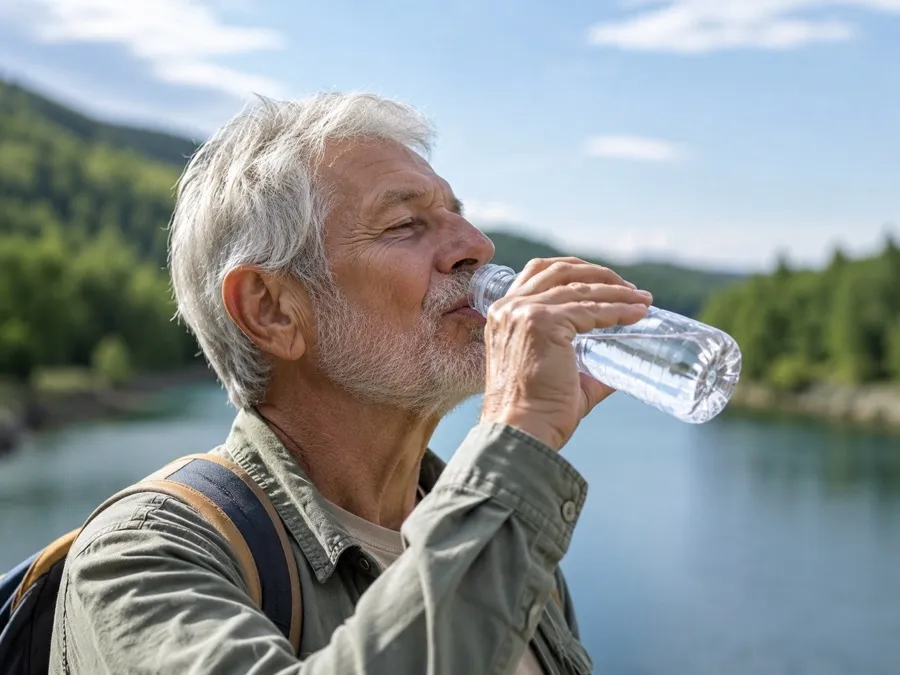
The practical takeaway: drink on a schedule, not on thirst. The National Institute on Aging suggests a simple check — drink enough that you need to urinate every few hours. In a heat wave, drink more than usual; if your doctor limits your fluids or you take water pills, ask how much to drink when it’s hot (CDC).
Habits that crowd water out
7. Coffee and tea lovers
Prof. Pokotylo’s rule of thumb is a glass of water with every cup of coffee, the way many cafés serve espresso. Newer research is more relaxed about coffee itself: in habitual coffee drinkers, four cups a day hydrated as well as the same amount of water (Killer et al., 2014), and US experts count caffeinated drinks toward your daily fluids. The rule still earns its keep, though, because coffee and tea can quietly replace water altogether. Keep plain water at least half of what you drink, as Prof. Pokotylo advises, and caffeine within about 400 mg a day — two to three 12-oz cups of coffee (FDA).
8. People watching their weight — and their skin
Water has no calories, so swapping sugary drinks for plain water is one of the simplest ways to cut calories, the CDC notes. A glass before meals may help, too: in a 12-week trial of 48 adults aged 55–75 on a low-calorie diet, those who drank about 17 fl oz (500 mL) of water before each meal lost about 4.4 lb (2 kg) more than those on the diet alone (Dennis et al., 2010). Prof. Pokotylo adds a trick for snack cravings: the brain’s hunger and thirst centers sit side by side, so a sudden urge to snack is often thirst in disguise. Try a glass of water first.
And skin? “How much water do you drink during the day?” is the first question a good cosmetologist asks, Prof. Pokotylo notes. The research is modest. In 49 young women, adding about 68 fl oz (2 L) of water a day for a month improved measures of skin hydration, most of all in those who drank little to begin with (Palma et al., 2015). A systematic review rated the evidence as weak but found a slight rise in skin hydration with extra water (Akdeniz et al., 2018).
Who should be careful about drinking more
More water isn’t the right advice for everyone:
- People with heart or kidney disease. Some people need to drink less because of conditions such as kidney failure or heart disease, the National Institute on Aging notes. Your doctor sets the number.
- People who take water pills. Ask your doctor how much to drink, especially in hot weather (CDC).
- Endurance athletes. Drinking far more than you sweat can drop blood sodium dangerously low (hyponatremia). At the 2002 Boston Marathon, 13% of the runners tested at the finish had it (Almond et al., 2005). Drink to replace what you lose, not as much as you can.
- Babies under 6 months. Extra water can upset their mineral balance; stick to breast milk or formula unless your pediatrician advises otherwise (AAP).
Easy ways to drink enough
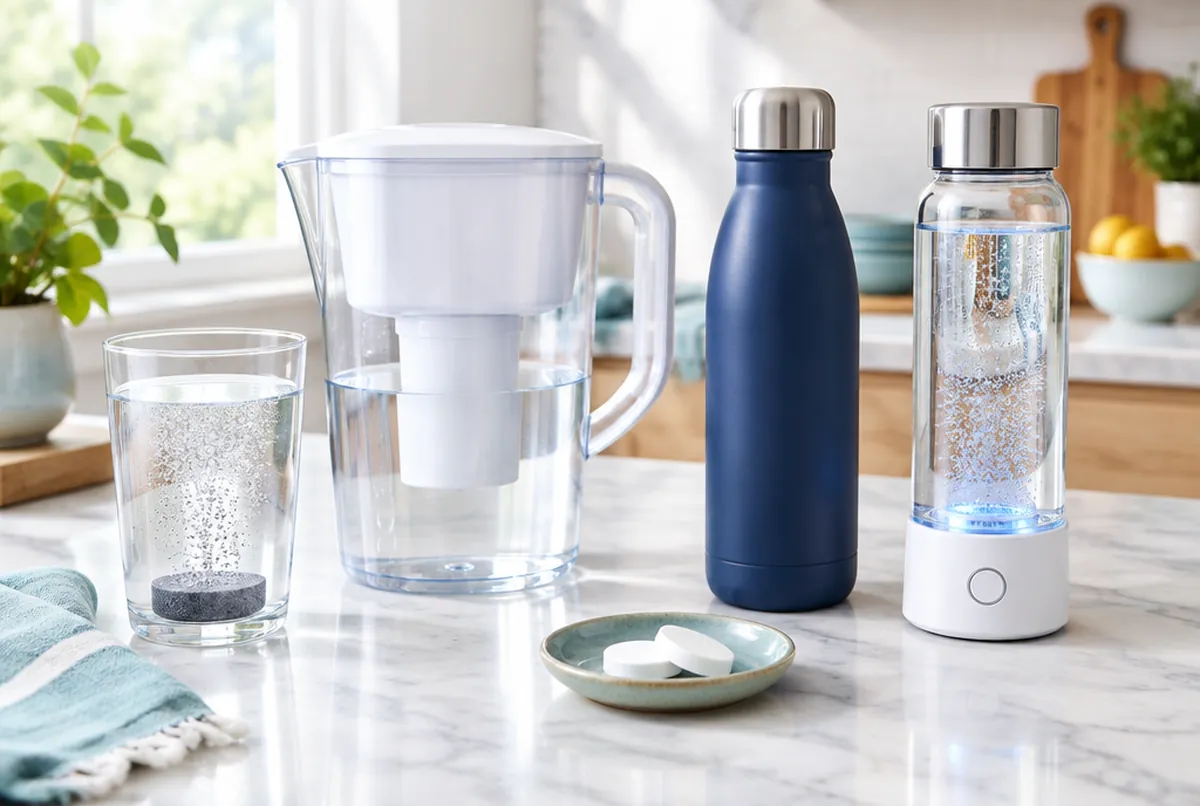
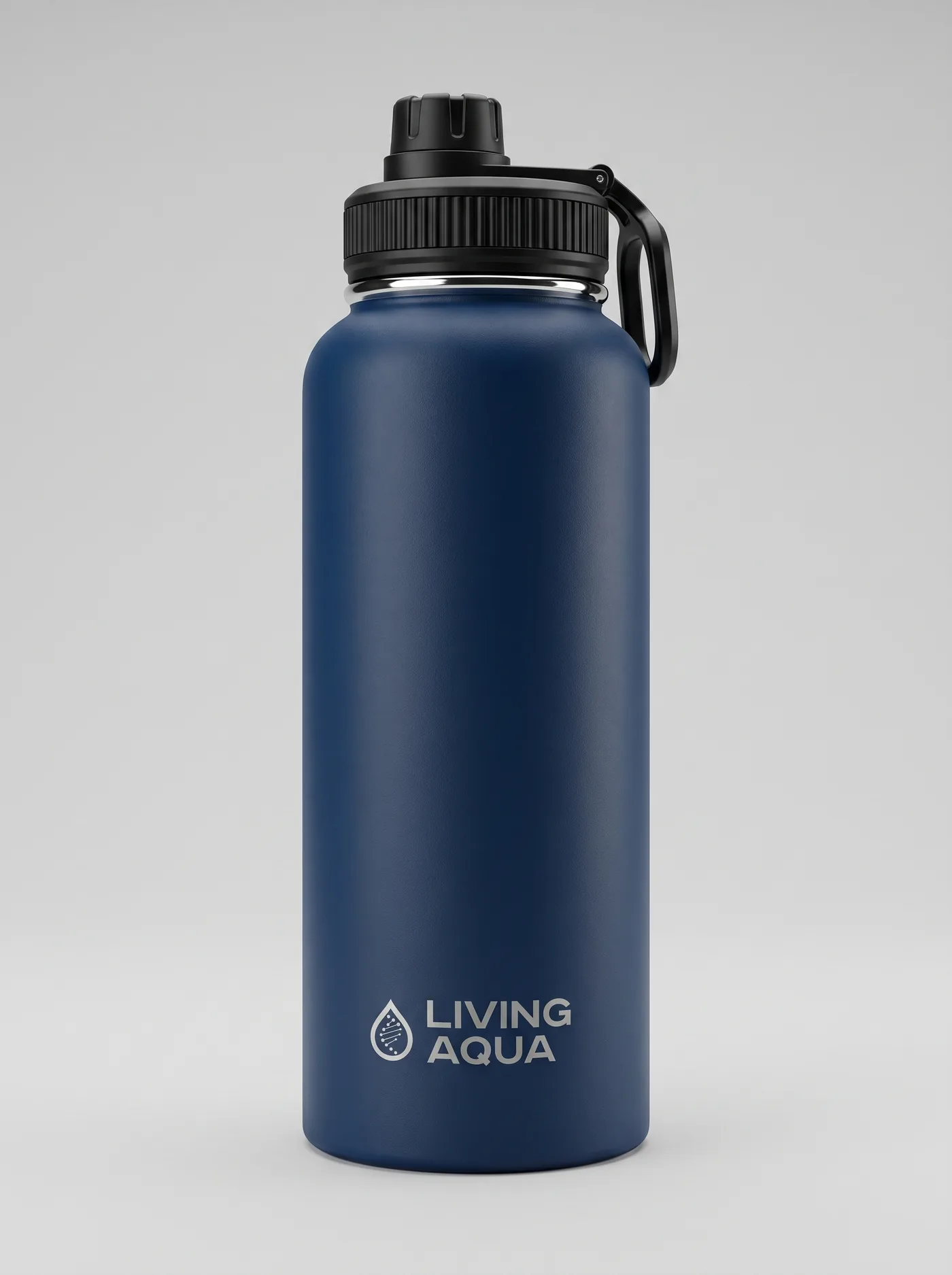
- Keep water where you are. Carrying a reusable bottle is the CDC’s first tip. The Living Aqua Insulated Bottle comes in 32 oz for the whole day and 22 oz for a bag or the gym, and it’s leak-proof.
- Drink on a schedule, especially for kids and older adults: a glass on waking, one before each meal and a few sips every hour.
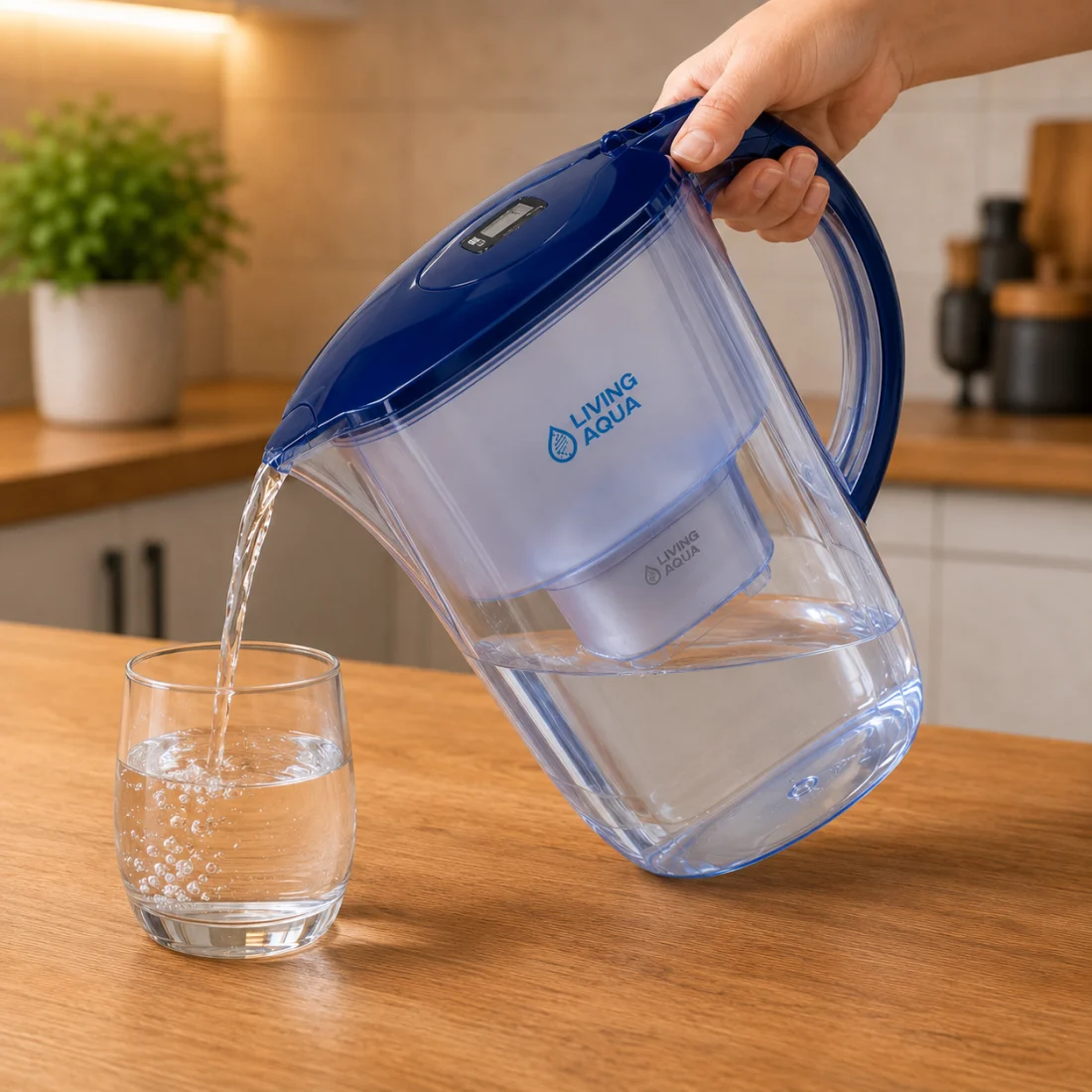
- Make water the easy choice at home. A Living Aqua Hydrogen-Rich Alkaline Water Pitcher on the counter holds 3.8 L (128 oz) and turns tap water into filtered, hydrogen-rich water in about 2 minutes. Change the filter every 6–8 weeks; spare filters are sold separately.
- Take it with you. If your water is already safe to drink, Living Aqua Hydrogen Water Discs turn a bottle of it into hydrogen water in 5 minutes.
- Pair every coffee with a glass of water.
If you’re pregnant, nursing or managing a health condition, check with your doctor before switching to hydrogen water. New to it? Start with What is hydrogen water.
Frequently asked questions
Who needs to drink the most water?
Do older adults need less water?
How much water should a child drink?
Should I drink more water when I’m sick?
Key takeaways
- Everyone needs water, but needs differ with activity, climate, health, age, pregnancy and breastfeeding.
- You lose more when you exercise, work in the heat, go to high altitude or run a fever.
- Some people can’t trust thirst: young children and older adults do best drinking on a schedule.
- Habits matter: coffee and tea count, but keep plain water at least half of what you drink, and swap sugary drinks for water.
- More isn’t right for everyone: with heart or kidney disease, on water pills or in endurance events, follow your doctor’s plan.
Water isn’t a medicine, but it’s the easiest daily habit to get right. When you want your water filtered and hydrogen-rich, choose your product.
This is the second article in the “Five rules of drinking water” series, based on the book by Prof. Oleh Pokotylo. The first is Why drink water; the third rule, when to drink, is covered in How to drink hydrogen water. Next up: How much water should you drink a day.
This article is for general information only and isn’t medical advice. If you have a health condition, ask your doctor how much and what kind of water is right for you.
Sources
- Pokotylo O. 5 Fundamental Postulations of Drinking Water. Ternopil; 2021.
- Centers for Disease Control and Prevention. “About Water and Healthier Drinks.” 2026. cdc.gov
- American College of Sports Medicine; Sawka MN, Burke LM, Eichner ER, et al. American College of Sports Medicine position stand. Exercise and fluid replacement. Medicine & Science in Sports & Exercise. 2007;39(2):377–390. PubMed 17277604
- Centers for Disease Control and Prevention. “Heat and Athletes.” cdc.gov
- Aoki K, Nakao A, Adachi T, Matsui Y, Miyakawa S. Pilot study: Effects of drinking hydrogen-rich water on muscle fatigue caused by acute exercise in elite athletes. Medical Gas Research. 2012;2:12. PubMed 22520831
- National Institute for Occupational Safety and Health. Heat Stress: Hydration. DHHS (NIOSH) Publication No. 2017-126. cdc.gov
- National Academies (Institute of Medicine). “Report Sets Dietary Intake Levels for Water, Salt, and Potassium To Maintain Health and Reduce Chronic Disease Risk.” News release; 2004. nationalacademies.org
- Mayo Clinic Staff. “Water: How much should you drink every day?” Mayo Clinic; 2026. mayoclinic.org
- Centers for Disease Control and Prevention. “About Norovirus.” cdc.gov
- American College of Obstetricians and Gynecologists. “How much water should I drink during pregnancy?” Ask ACOG; 2020. acog.org
- Institute of Medicine. “Water.” In: Dietary Reference Intakes for Water, Potassium, Sodium, Chloride, and Sulfate. Washington, DC: National Academies Press; 2005. nationalacademies.org
- U.S. Food and Drug Administration. “Spilling the Beans: How Much Caffeine Is Too Much?” fda.gov
- U.S. Geological Survey, Water Science School. “The Water in You: Water and the Human Body.” usgs.gov
- Bar-David Y, Urkin J, Kozminsky E. The effect of voluntary dehydration on cognitive functions of elementary school children. Acta Paediatrica. 2005;94(11):1667–1673. PubMed 16303708
- Edmonds CJ, Burford D. Should children drink more water? The effects of drinking water on cognition in children. Appetite. 2009;52(3):776–779. PubMed 19501780
- American Academy of Pediatrics. “How to Safely Prepare Baby Formula With Water.” HealthyChildren.org. healthychildren.org
- American Academy of Pediatrics. “Recommended Drinks for Children Age 5 & Younger.” HealthyChildren.org. healthychildren.org
- Begg DP. Disturbances of thirst and fluid balance associated with aging. Physiology & Behavior. 2017;178:28–34. PubMed 28267585
- Volkert D, Beck AM, Cederholm T, et al. ESPEN practical guideline: Clinical nutrition and hydration in geriatrics. Clinical Nutrition. 2022;41(4):958–989. PubMed 35306388
- National Institute on Aging. “15 Tips To Keep Your Bladder Healthy.” nia.nih.gov
- Centers for Disease Control and Prevention. “Heat and Older Adults (Aged 65+).” cdc.gov
- Killer SC, Blannin AK, Jeukendrup AE. No evidence of dehydration with moderate daily coffee intake: a counterbalanced cross-over study in a free-living population. PLoS One. 2014;9(1):e84154. PubMed 24416202
- Dennis EA, Dengo AL, Comber DL, et al. Water consumption increases weight loss during a hypocaloric diet intervention in middle-aged and older adults. Obesity. 2010;18(2):300–307. PubMed 19661958
- Palma L, Marques LT, Bujan J, Rodrigues LM. Dietary water affects human skin hydration and biomechanics. Clinical, Cosmetic and Investigational Dermatology. 2015;8:413–421. PubMed 26345226
- Akdeniz M, Tomova-Simitchieva T, Dobos G, Blume-Peytavi U, Kottner J. Does dietary fluid intake affect skin hydration in healthy humans? A systematic literature review. Skin Research and Technology. 2018;24(3):459–465. PubMed 29392767
- Almond CS, Shin AY, Fortescue EB, et al. Hyponatremia among runners in the Boston Marathon. New England Journal of Medicine. 2005;352(15):1550–1556. PubMed 15829535
A Ukrainian manufacturer of hydrogen water devices.
Found your routine? We’ve got the device
Pitchers, discs and insulated bottles of our own making — no electricity needed, backed by lab test reports.
Read next